
The windows of a commercial property are more than just a view to the outside world. They’re critical components of the building’s thermal envelope. When those windows begin to fail, the impact is felt immediately in the form of rising utility bills, uncomfortable tenants, and a diminished professional aesthetic. If you’re noticing fogged glass or hearing complaints about drafts, you are likely looking at a failing insulated glass unit (IGU).
Understanding the replacement process—and the financial return on that investment—is the first step toward stabilizing your operating budget and protecting your asset’s value. At Springfield Glass Company, we specialize in helping local commercial leaders navigate these upgrades with minimal disruption and maximum energy performance.
Why Commercial IGUs Matter for Your Operating Budget
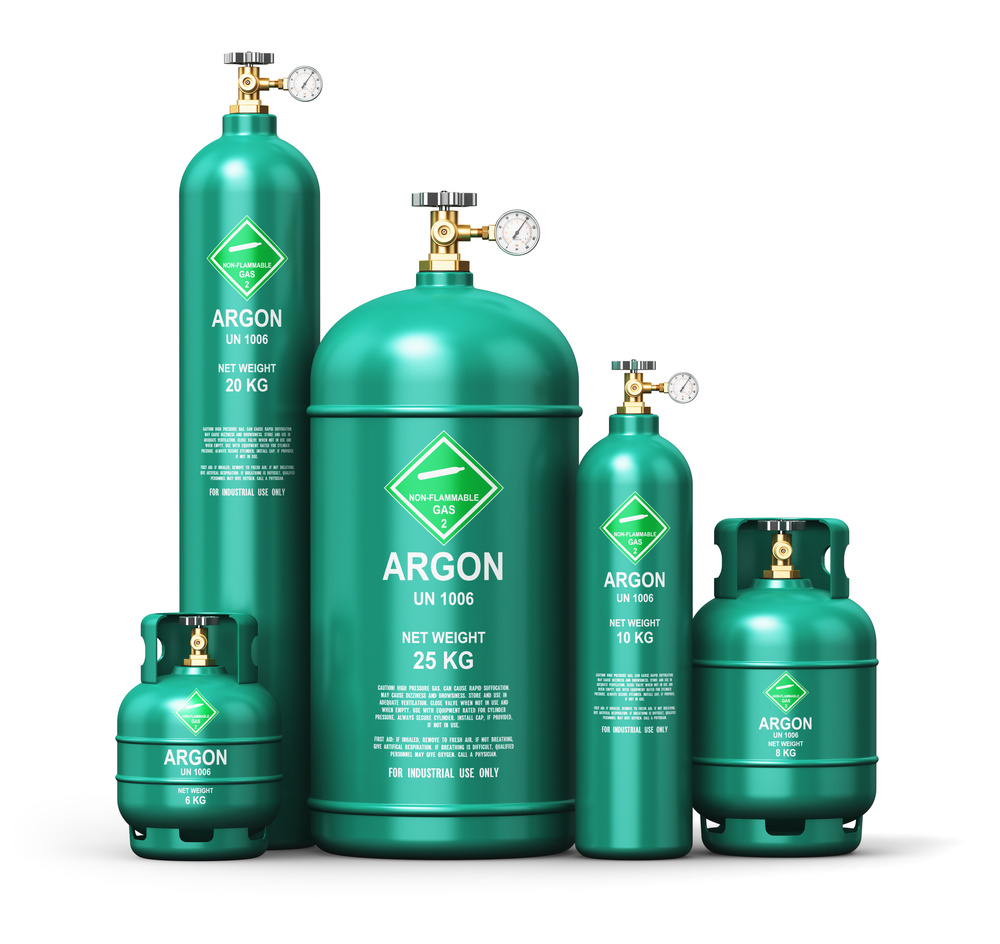
An insulated glass unit (IGU) consists of two or more panes of glass separated by a spacer and sealed to create a dead-air space, which is often filled with an insulating gas like argon. This configuration provides a thermal barrier that single-pane glass simply can’t match.
While the upfront cost of commercial IGU installation may seem high, it’s one of the few building upgrades that directly pays dividends through reduced operating expenses. By significantly increasing the R-value of your building’s openings, you reduce the load on your HVAC system. In a large commercial footprint, even a marginal increase in thermal efficiency can lead to thousands of dollars in annual energy savings.
How Failed IGUs Increase HVAC Costs
What happens when commercial window seals fail? When a seal fails, the window loses its insulating properties, leading to “thermal bridging” where heat or cold transfers freely through the glass. This results in visible condensation or fogging between the panes that cannot be cleaned off.
In the Ozarks, we deal with extreme humidity and wild temperature swings. When your foggy or failed IGUs lose their integrity, your HVAC system has to work overtime to combat the Missouri heat in July and the biting winds in January.
Consider a multi-tenant office building in downtown Springfield: if 20% of the units have failed seals, the HVAC system is essentially fighting an open thermal leak. The result isn’t just a “cloudy window.” It’s a spike in peak-demand charges from the utility company and a constant stream of “it’s too hot/cold” work orders from your tenants.
Common Signs of IGU Failure
- Permanent fogging: A cloudy appearance or “moisture droplets” trapped between the panes.
- Visible streaking: Mineral deposits left behind inside the glass as moisture evaporates and returns.
- Drafts: Feeling a distinct temperature difference when standing near the glass compared to the rest of the room.
- Distorted glass: A “collapsing” look where the panes bow inward due to pressure changes after gas loss.
How Long Do Commercial IGUs Last?
Most commercial IGUs have a functional lifespan of 20 to 30 years, though this can vary significantly based on the quality of the original installation and the environmental stressors placed on the building.
While three decades is a standard benchmark, several local factors can shorten that window. In Springfield, our buildings face intense UV exposure on south-facing elevations and significant structural expansion and contraction due to our 40° daily temperature swings.
Factors That Shorten IGU Lifespan
- Solar Orientation: Windows with heavy afternoon sun exposure often fail sooner due to “thermal pumping” (repeated expansion and contraction).
- Improper Drainage: If the window glazing pockets don’t drain water correctly, the seal sits in standing water, which degrades the polyisobutyl sealant.
- Pressure Washing: High-pressure water hitting the seals can cause premature mechanical failure.
- Building Movement: Structural settling can put uneven pressure on the glass units, eventually “pinching” the seal.
Proactive inspections by a commercial glass contractor in Springfield, MO, can help you identify these failures early, allowing for a phased replacement schedule rather than an emergency total-building overhaul.
Low-E Coatings: Selecting the Right Glass for Missouri Weather
When it comes to energy-efficient commercial windows, the glass itself does the heavy lifting through low-emissivity (low-E) coatings. Low-E glass features a microscopic, transparent metallic layer that reflects long-wave infrared energy (heat).
In Missouri’s climate, the goal is twofold: reflect the scorching summer sun away from the building while bouncing internal heat back into the rooms during the winter. This technology helps stabilize interior temperatures, reducing the “cycling” of your HVAC fans and extending the life of your mechanical equipment. Modern low-E coatings reduce glare on computer screens and protect office furniture from UV fading, making the workspace much more functional for your staff or tenants.
The Replacement Process: Can We Replace the Glass Without Removing the Frame?
A common concern for property managers is the fear that a window replacement requires a full “tear-out,” leaving offices open to the elements and tenants frustrated.
The good news is that in the majority of modern commercial storefront and curtain wall systems, Springfield Glass Company can perform a “glass-only” commercial insulated glass replacement. This means we remove the failing IGU and install a new one while keeping the existing aluminum frames intact.
What to Expect During the Replacement Process
- Site Assessment: We visit the property to measure the glass thickness and overall dimensions, and to identify the specific glass tint or coating to ensure a perfect match.
- Fabrication: We custom-order your IGUs to the exact specifications required for your building’s wind-load and thermal needs.
- Coordinated Installation: We work with you to schedule the work during low-impact hours. For high-occupancy buildings, we can often phase the project floor-by-floor or work after-hours to ensure your tenants aren’t disrupted.
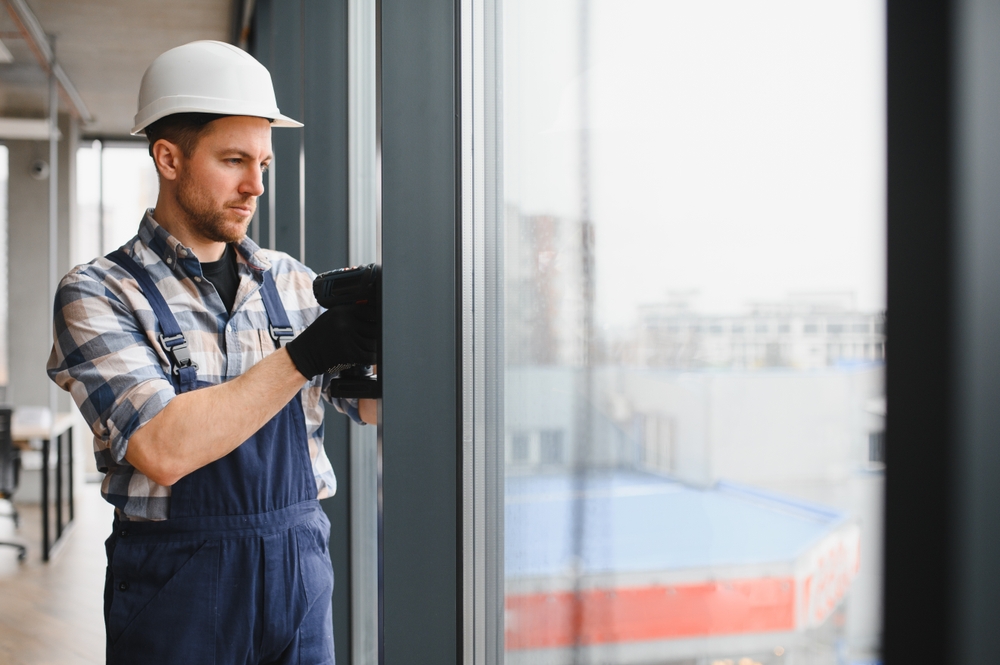
- The Swap: Our team removes the glazing stops, pulls the old unit, cleans the frame, and installs the new IGU with fresh seals and gaskets.
- Completion: We handle all disposal of the old glass and perform a final walkthrough to ensure the building envelope is secure and looks pristine.
Estimating the Energy Savings
While every building is unique, the energy savings on IGU replacements are quantifiable. If you were to use an energy savings calculator, you would look at three primary variables: total square footage of glass, the current U-factor (how much heat escapes), and your average cost per kilowatt-hour.
Upgrading from failed or clear double-pane glass to modern, high-performance Low-E IGUs can often reduce solar heat gain by over 50%. For a medium-sized office building in Springfield, this can translate to a 10–20% reduction in total annual cooling costs. When you factor in the extended life of your HVAC compressors and the increase in property value, the “payback period” for an IGU upgrade is often much shorter than owners anticipate.
When to Call a Commercial IGU Specialist in Springfield
Knowing when to transition from “monitoring” a problem to “fixing” it is the mark of a savvy facility director. If you are checking off more than two of the items below, it is likely time for a professional assessment.
Call Springfield Glass Company if You Notice:
Visible moisture or mineral “crust” inside the glass units.
- A steady increase in tenant complaints regarding temperature discomfort.
- Energy bills that are trending upward despite no change in building occupancy.
- Physical damage, such as cracks or chips, which compromise the safety of the unit.
Maintaining a commercial property is about staying ahead of the curve. Replacing aging or failed glass doesn’t just improve the view; it secures your building’s efficiency for the next quarter-century.
Are you ready to see your building in a better light? Call Springfield Glass Company at (417) 883-6555 today to schedule a site assessment. We’ll help you evaluate the condition of your existing glass and provide a clear, budget-conscious plan for your next commercial IGU installation.
Commercial IGU FAQs
Most high-quality commercial IGUs have a functional lifespan of 20 to 30 years. However, this range depends heavily on the quality of the original seal, the local climate, and whether the building’s drainage system effectively keeps water away from the window gaskets. In the Springfield area, extreme temperature fluctuations can sometimes lead to seal failure closer to the 15- or 20-year mark.
Commercial window seal failure occurs when the primary and secondary sealants that hold the glass panes together break down, allowing the insulating argon or krypton gas to escape. Once the seal is broken, outside air and moisture enter the space between the panes. This leads to the characteristic “foggy” look and a significant drop in the window’s thermal performance.
In the vast majority of cases, we can replace the insulated glass unit without removing the existing aluminum frames. This is known as a “glass-only” replacement. It is a much faster and more cost-effective way to restore energy efficiency and aesthetics without the mess and expense of a full-scale window tear-out. We only recommend full-frame replacement if the existing aluminum is structurally damaged or the thermal breaks within the frame have disintegrated.
Low-E (low-emissivity) coatings are microscopically thin layers of metal applied to the glass that reflect heat. During a Missouri summer, it reflects solar heat back outside, keeping your lobby or office cool. In the winter, it reflects the heat from your furnace back into the room. By reducing the “work” your HVAC system has to do, you lower your monthly utility spend and reduce the wear and tear on expensive rooftop units.
We understand that tenant satisfaction is your top priority. Springfield Glass Company specializes in low-impact installations. We can phase the replacement floor-by-floor, work during off-hours, or schedule installations during weekends to ensure your tenants aren’t bothered by noise or foot traffic. Most individual IGU replacements can be completed in a matter of minutes once the glass is on-site.