
Insulated glass units (IGUs) are at the heart of high-performance commercial storefronts and facades. Choosing the right IGU impacts everything from building energy costs to occupant comfort and code compliance.
For decision-makers in Springfield and beyond, understanding IGU construction, options, and performance means a better investment for every square foot. When your building is created or updated for success, you’ll experience a wide range of benefits. Keep reading to learn more from the trusted commercial glass experts at Springfield Glass Company.
What Are Insulated Glass Units?
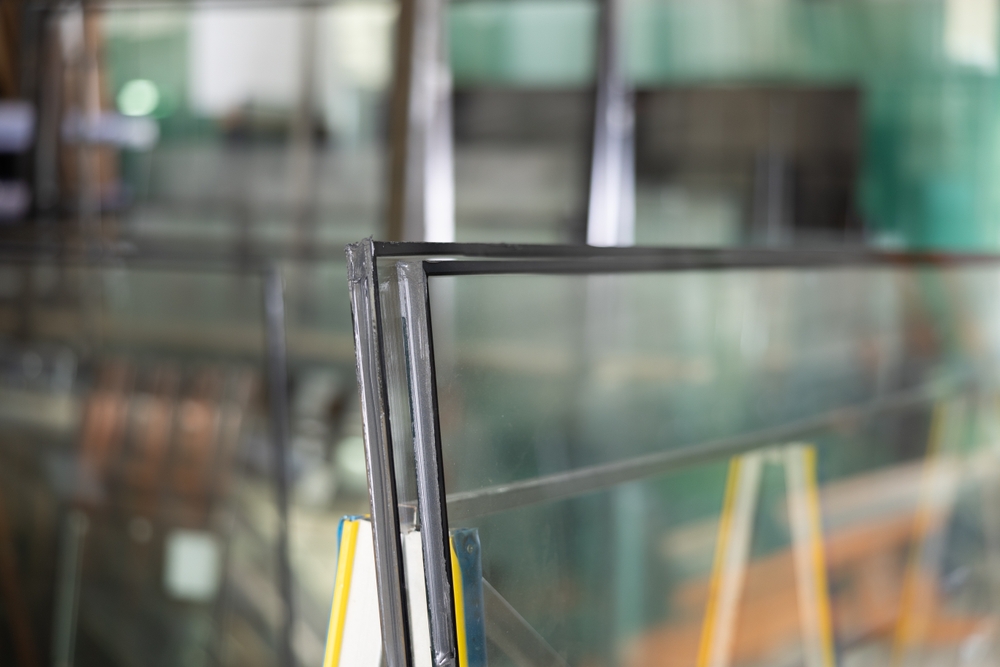
Insulated glass units are multi-pane systems that create a thermal and acoustic barrier for offices, retail storefronts, warehouses, and facilities of every size. Unlike traditional single-pane setups, IGUs use sealed airspaces or inert gas between panes to significantly reduce heat transfer and unwanted noise.
How IGUs are Made
Every IGU is more than just glass. Key components include:
- Glazing: Double-pane (two panes) and triple-pane (three panes) options
- Spacer Systems: Maintain uniform pane separation and sealing, preventing heat transfer and condensation
- Gas Fills: Inert gases like argon, krypton, or xenon replace air for superior insulation
- Low-E Coatings: Ultra-thin metallic layers on glass to reflect heat and block UV
For business properties, IGUs enable buildings to maintain steady year-round temperatures, boost daylighting, filter out noise from busy streets, and satisfy increasingly rigorous green certification goals. Owners see lower utility bills and find it easier to attract tenants and customers to bright, inviting interiors.
IGU Types in Today’s Commercial Glass Projects
With commercial builds, there’s no such thing as one-size-fits-all. Depending on architectural design, location, and usage, IGU types can be mixed and matched for every elevation or storefront. For example, double-pane IGUs offer a balance of performance and cost, making them popular for mid-sized offices and retail.
Triple-pane units, with an extra pane and gas fill, are fast becoming the benchmark for premium offices, healthcare, and educational buildings in colder climates or buildings aiming for top-level efficiency.
When specifying IGU types, glass professionals consider several core factors:
- The number of panes, gas fill (air, argon, or krypton)
- Spacer technology (metal versus warm-edge)
- The number and type of Low-E coatings
Double-glazed is often the starting point, but switching from air-filled to argon can cut heat loss by nearly a third, while upgrading from metal to warm-edge spacers preserves that efficiency for years to come. For buildings with large south- or west-facing glass, dual Low-E coatings help retain winter warmth and deflect harsh summer sun, maximizing comfort and glare control throughout the day.

Measuring IGU Performance Beyond R-Values
Commercial storefronts and glazed curtainwalls experience harsher cycles of direct sunlight, rapid temperature swings, and constant public access. As a result, IGU performance extends beyond R-values and energy codes. Storefront IGUs must stand up to wind, weather, and high foot traffic. Modern IGUs keep temperatures stable near entryways and windows, so customers aren’t met with drafts or overheated waiting areas.
In addition to thermal comfort, IGUs play a crucial role in daylight management and occupant well-being. Thoughtful selection of Low-E coatings ensures interior spaces are bathed in natural light—without glare disrupting employees or customers. Noise reduction is equally important in busy business districts, with gas-fill and triple-pane IGUs providing a quieter, more productive environment inside.
Commercial Code and Safety Compliance
Safety and security glazing requirements are a fact of life for commercial spaces today. For doors, sidelites, or panels in high-traffic areas, tempered glass is essential for everyday safety and code compliance. In areas at higher risk for break-ins, storms, or accidental impacts, laminated IGUs—made of panes bonded together with strong, clear interlayers—deliver another layer of protection.
Energy code compliance is increasingly stringent, with municipalities often mandating specific thermal performance. Owners and specifiers must consider not just local U-value targets, but also orientation (north, south, east, or west) and exposure to seasonal climate extremes. In new construction and major retrofits, triple-pane IGUs may be required to secure tax credits, LEED points, or utility rebates.
IGU Costs and Commercial ROI Considerations
While premium IGUs require a higher upfront investment, the payback is clear: lower monthly energy bills, steady indoor temperatures, less wear and tear on HVAC systems, and reduced maintenance. For many projects, the question is not if IGUs are worth it, but which configuration yields the highest ROI.
It’s wise to consult with a glass expert regarding project needs and available local incentives. In many markets, energy-efficient upgrades are eligible for special financing, rebates, or green certification bonuses. This shifts the cost-benefit calculation even further in favor of advanced IGUs.
IGU Selection Checklist for Commercial Specifiers
When evaluating IGUs for a commercial property, decision-makers should review:
- Does the product meet or exceed U-value and SHGC requirements for the region?
- Is the glazing thickness sufficient for both wind load and acoustic needs?
- Are warm-edge spacers specified for long-term durability?
- Is the right gas fill (argon or krypton) included for best performance?
- How many Low-E coatings are present, and are they appropriate for orientation and local sunlight conditions?
- Are window safety and security codes—tempered or laminated—addressed in all required locations?
- Is the selected IGU compatible with the storefront and window systems being used on the project?
These checkpoints help ensure every project meets both short-term goals and long-term value expectations.
Choose Springfield Glass Company for Commercial Glass Expertise You Can Trust
Selecting and specifying IGUs for a commercial building is a multifaceted task. Springfield Glass Company’s commercial specialists bring deep local knowledge and technical experience to every project, ensuring glass solutions deliver the best results.
From initial consultation through installation and beyond, the team stands ready to support architects, owners, and contractors in Springfield and the Midwest commercial market.
Ready to explore IGU options for your next commercial upgrade? Contact Springfield Glass Company today for a tailored project review and discover how the right insulated glass delivers clarity, savings, and peace of mind for years to come.