
Selecting the right glass for a commercial property is rarely about “just a pane of glass.” It’s a high-stakes decision involving building codes, tenant comfort, and long-term operating costs. Whether you are managing a retail strip in South Springfield or developing a new medical office complex, the commercial glass you choose dictates how your building performs and how much it costs to maintain.
This guide breaks down the essential commercial glass types available in 2026, helping property managers, architects, and owners move past the technical jargon to find the right fit for their specific application.
What Makes Glass “Commercial”?
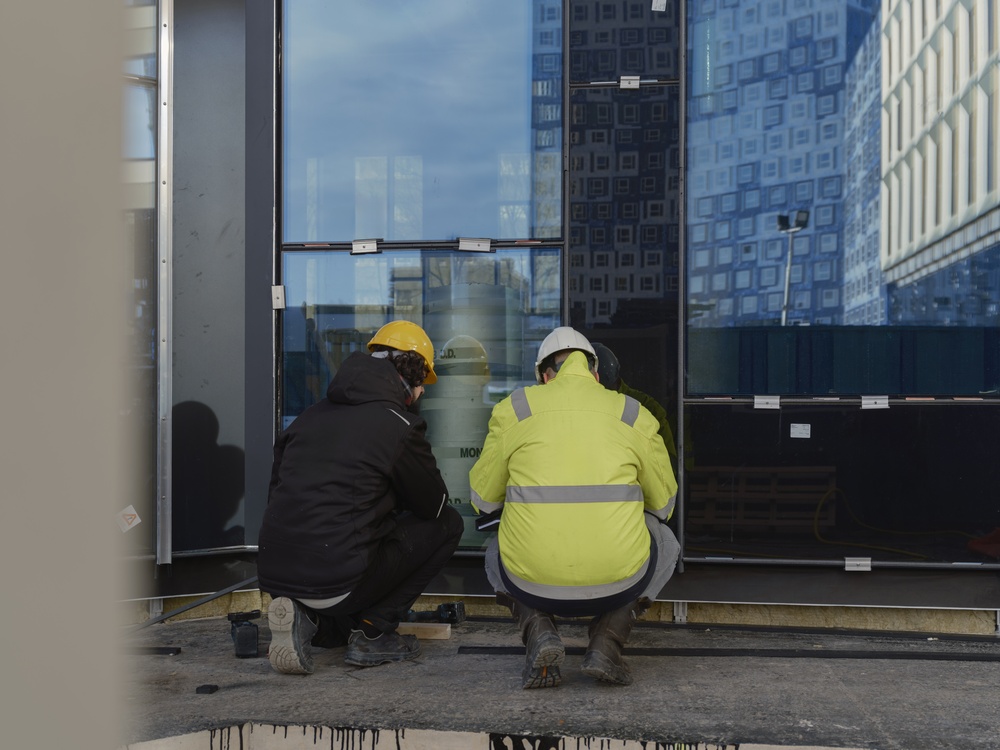
In the world of glazing, “commercial” isn’t an arbitrary category. It’s a performance standard. Unlike residential windows, commercial glass must withstand significantly higher foot traffic, larger wind loads, and stricter safety protocols.
Commercial systems are designed for durability and “serviceability.” This means the framing and the glass itself are engineered to handle the constant vibration of heavy entry doors and the thermal stress of large-scale glass facades. At Springfield Glass Company, we don’t just supply glass; we partner with you to ensure your selection meets Missouri building codes while balancing the aesthetic demands of modern commercial design.
Core Commercial Glass Types for 2026
Most modern developments in Springfield rely on a strategic mix of three primary glass types. You likely won’t use just one; you’ll choose the right tool for each specific part of the building.
Tempered Glass: Best for High-Traffic Safety and Code Compliance
Often referred to as “safety glass,” tempered glass undergoes a specialized heating and rapid-cooling process that makes it approximately four times stronger than standard annealed glass. When it does break, it shatters into small, relatively harmless pebbles rather than dangerous shards.
In Springfield, you’ll find tempered glass as the standard for any “hazardous location” defined by code. This includes any glass within 24 inches of a door or panes located near floor level where a slip-and-fall could result in an impact.
Laminated Glass: Best for Security, Sound, and Liability
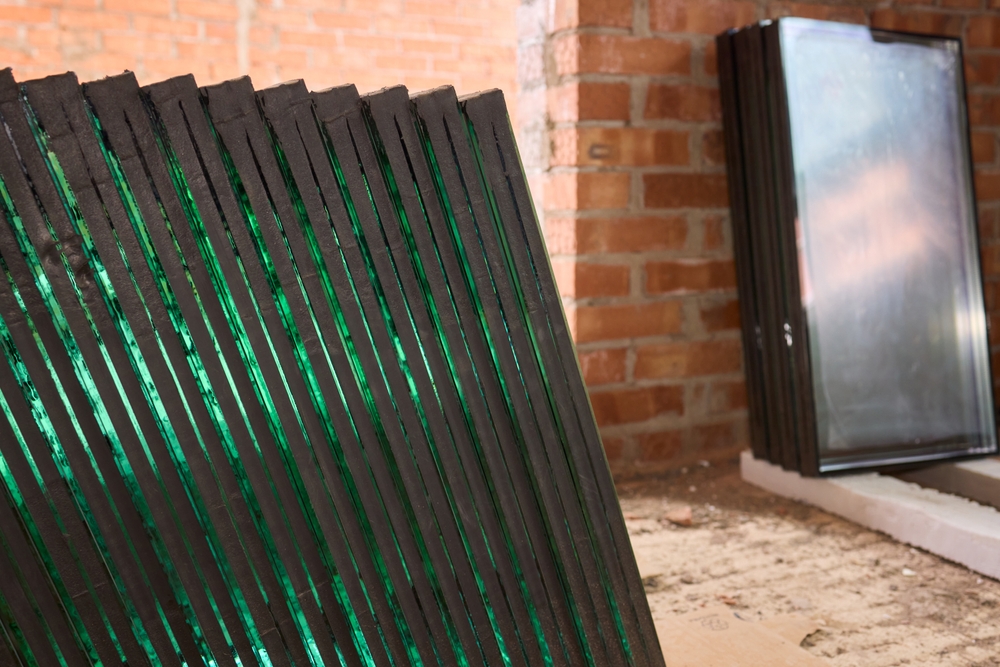
Laminated glass consists of two or more panes bonded together with a transparent plastic interlayer (usually PVB). If the glass is struck, the interlayer holds the fragments in place, preventing a hole from opening in the building envelope.
For property managers, this is a major “peace of mind” upgrade. It serves as a significant deterrent to smash-and-grab theft and provides superior acoustic insulation, perfect for offices near busy Springfield thoroughfares like Sunshine Street or Glenstone Avenue.
Insulated and Low-E Glass: Best for Energy and Comfort
In the Missouri climate, where we swing from humid 90° summers to icy winters, insulated glass units (IGUs) are non-negotiable. An IGU consists of two or more panes separated by a sealed air space, creating a thermal barrier.
To maximize these units, we apply low-E (low-emissivity) coatings. These microscopic metallic layers reflect heat back to its source. In the summer, it keeps the Ozarks’ heat out; in the winter, it keeps your expensive HVAC heat inside. This significantly reduces “thermal discomfort” for tenants sitting near windows and slashes monthly utility overhead.
Specialty and Performance Glass Options
Sometimes, standard safety or energy glass isn’t enough. We also provide specialized, custom glass solutions for high-risk or high-design areas:
- Fire-Rated Glass: Essential for stairwells and elevator lobbies to prevent the spread of flames and smoke.
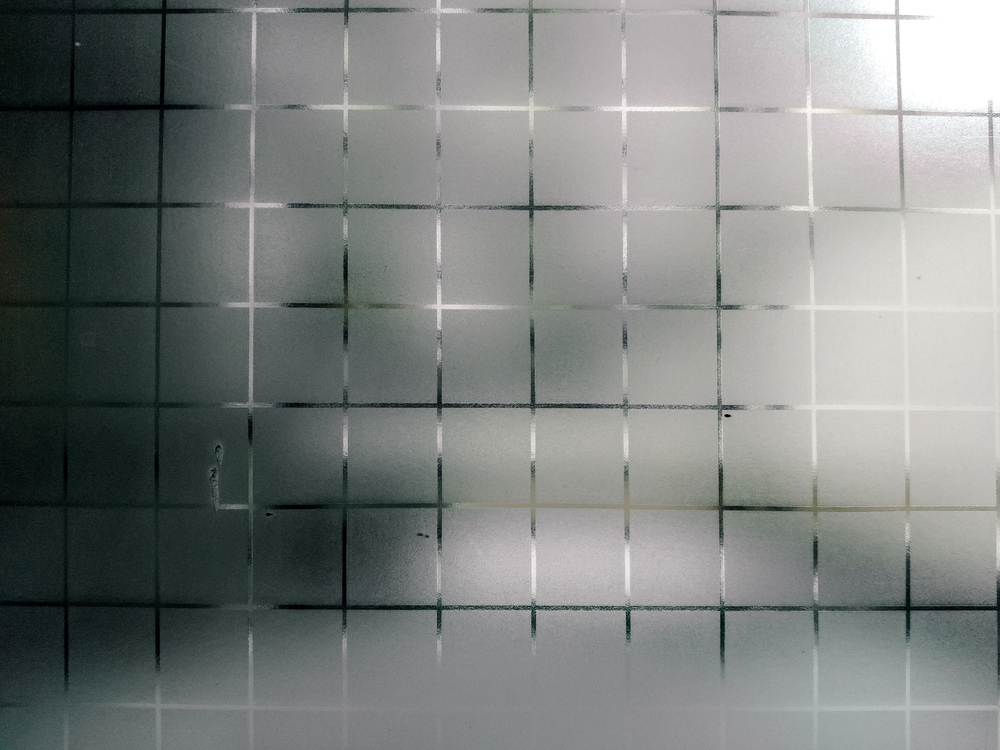
- Privacy & Decorative Glass: Frosted, tinted, or patterned glass allows light into a space while maintaining privacy for conference rooms or patient areas.
- Security/Bullet-Resistant Glass: Specialized laminated systems designed for high-security environments like cash-handling facilities.
Matching Commercial Glass Types to Real-World Applications
How do these types come together in a project? Here is how we typically recommend layering these technologies:
- Retail Storefronts and Entry Systems: A combination of tempered glass storefronts for safety and low-E coatings for energy efficiency. If security is a high priority, we recommend laminated glass for the lower panes to deter break-ins.
- Offices and Interior Glass Walls: Laminated glass is the gold standard here for its sound-deadening properties. For branding, we often incorporate decorative or frosted films.
- Healthcare and Institutional: These settings require a mix of fire-rated glass for code compliance and high-performance IGUs to ensure patient comfort and privacy.
How to Evaluate Cost vs. Performance (Without Overbuying)
It’s easy to get overwhelmed by high-tech specs, but the goal is to find the “sweet spot” of performance versus budget.
- Look at the Lifecycle: While a high-performance Low-E IGU has a higher upfront cost than a basic double-pane window, the reduction in HVAC loads often pays for the difference within a few years.
- Mitigate Risk: Investing in laminated glass for a street-front pharmacy isn’t just an aesthetic choice. It’s a risk management strategy that prevents costly inventory loss and downtime.
- Local Expertise: Codes change. Our team stays current on Springfield-specific building requirements to ensure you don’t overspend on glass where it isn’t required, while never cutting corners where safety is on the line.
Ready to Upgrade Your Property?
Choosing the right glass is a foundational decision for your building’s security and bottom line. At Springfield Glass Company, we bring decades of local experience to every project, from minor storefront repairs to large-scale commercial developments.
Contact Springfield Glass Company today to request a consultation. Let’s review your plans and find the perfect balance of tempered, laminated, and energy-efficient glass for your next project.
Commercial Glass Buyer FAQs
Commercial glass is thicker, uses more robust framing systems, and is engineered to meet stricter safety and energy codes for larger openings and higher foot traffic.
Generally, any glass near a door, in a door, or within 18 inches of the floor is considered a “hazard” area and requires tempered safety glass by law.
Most commercial glass installation projects in Springfield, MO, utilize a mix of tempered glass for doors and Low-E insulated glass for large display windows to balance safety with energy savings.
In many cases, yes. If your existing frames are in good condition, we can often perform a glass-only retrofit to install high-performance IGUs, saving you significant capital.